Choosing a dog is never just about appearance. A breed may look adorable in photos, but daily life with that dog depends on many things: energy level, grooming needs, training style, health awareness, living space and your own routine.
In the United States, certain breeds remain especially popular because they fit well into family life, apartment living, active lifestyles or long-term companionship. According to the American Kennel Club’s popularity rankings, some of the most popular dog breeds in the US include the French Bulldog, Labrador Retriever, Golden Retriever, German Shepherd Dog, Dachshund, Poodle, Beagle, Rottweiler, German Shorthaired Pointer and Bulldog.
This guide gives a simple overview of these popular breeds, what owners often want to know about them, and the kind of care questions people commonly search for before bringing one home.
Important note: This article is for general informational and entertainment purposes only. It is not veterinary, medical, nutritional or behavioral advice. If you have concerns about your dog’s health, diet, training or wellbeing, always speak with a licensed veterinarian or qualified pet professional.
1. French Bulldog
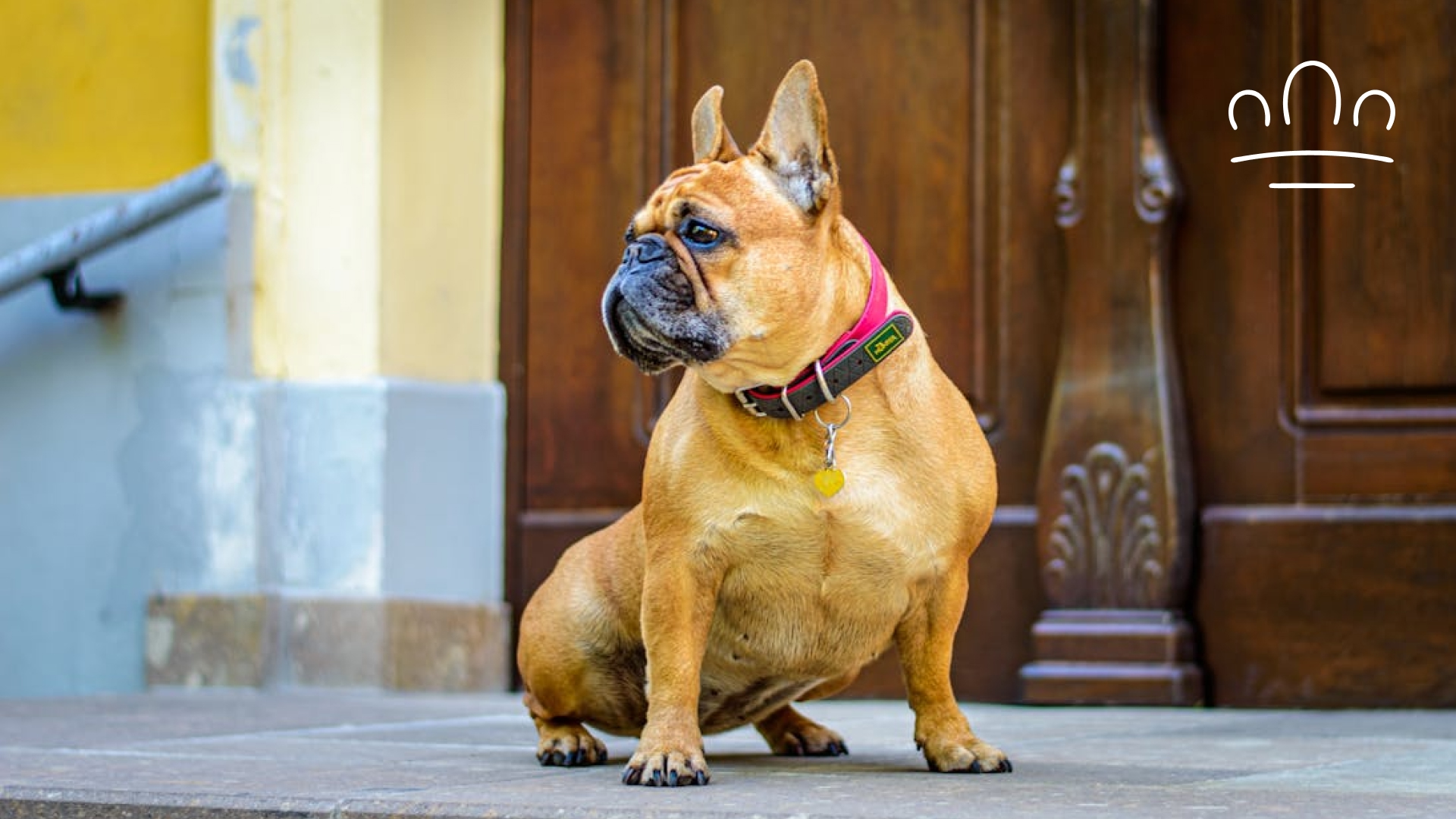
The French Bulldog is compact, playful and often described as a great city dog. Its small size and affectionate nature make it popular with apartment dwellers and people who want a companion that enjoys being close to them.
However, French Bulldogs also come with specific care considerations. Many owners search for information about breathing issues, heat sensitivity, skin folds, sensitive stomachs and general comfort in warm weather. Because of their short-nosed structure, they may need extra care during exercise, travel and hot days.
Common owner questions include:
- Are French Bulldogs good apartment dogs?
- Why are French Bulldogs so expensive?
- Do French Bulldogs have breathing problems?
- How do I clean French Bulldog wrinkles?
- What food is best for a French Bulldog with a sensitive stomach?
Frenchies may be small, but they often have big personalities. They tend to enjoy attention, routine and companionship, which makes them charming but sometimes a little stubborn.
2. Labrador Retriever
The Labrador Retriever has been one of America’s favorite family dogs for decades. Friendly, energetic and eager to please, Labs are known for being adaptable companions for families, active owners and people who enjoy outdoor activities.
Labradors usually need regular exercise, consistent training and careful portion control. Many owners search for feeding charts, puppy growth stages and weight management because Labs can be very food-motivated.
Common owner questions include:
- How much should a Labrador puppy eat?
- Are Labradors good with children?
- How much exercise does a Lab need?
- Why do Labradors gain weight easily?
- Are Labradors easy to train?
The Labrador’s personality is one of the reasons it remains so popular. Most Labs are cheerful, social and enthusiastic, but that same enthusiasm needs structure, activity and patience.
3. Golden Retriever
Golden Retrievers are often associated with loyalty, kindness and family life. They are usually gentle, social and highly trainable, which makes them one of the most loved breeds in the US.
Golden owners often search for information about shedding, grooming, joint health, lifespan and cancer concerns. Their beautiful coats need regular brushing, and their people-focused nature means they usually do best when they are included in family activities.
Common owner questions include:
- How much do Golden Retrievers shed?
- Are Golden Retrievers good family dogs?
- How often should I brush a Golden Retriever?
- What health problems are common in Golden Retrievers?
- How much exercise does a Golden Retriever need?
Goldens are affectionate and emotionally expressive dogs. They often bond deeply with their humans and can be wonderful companions for people who have the time and energy to give them attention.
4. German Shepherd Dog
The German Shepherd Dog is intelligent, loyal and highly versatile. This breed is often associated with working roles, protection, service work and advanced training.
Because German Shepherds are smart and active, they usually need mental stimulation as much as physical exercise. Without enough structure, they may become anxious, bored or overly protective. Owners often search for training advice, puppy biting, socialization and hip dysplasia symptoms.
Common owner questions include:
- Are German Shepherds good family dogs?
- How do I stop German Shepherd puppy biting?
- What is the “land shark” phase?
- How much exercise does a German Shepherd need?
- What are signs of hip dysplasia in German Shepherds?
A German Shepherd can be a deeply loyal companion, but this breed is usually best suited for owners who are ready to invest in training, routine and responsible socialization.
5. Dachshund
The Dachshund is small, brave and full of character. Known for its long body and short legs, this breed is playful, curious and often surprisingly bold.
Many Dachshund owners search for information about back problems, IVDD prevention, potty training and apartment life. Because of their body shape, owners usually need to be mindful of jumping, stairs and weight management.
Common owner questions include:
- Are Dachshunds hard to potty train?
- How can I protect my Dachshund’s back?
- What is IVDD in Dachshunds?
- Are Dachshunds good apartment dogs?
- Why are Dachshunds so stubborn?
Dachshunds are often funny, determined and affectionate. They may be small, but they rarely act like they know it.
6. Poodle
Poodles come in different sizes, including Standard, Miniature and Toy. They are known for intelligence, elegance and a curly coat that requires regular grooming.
Many people search for Poodles because they are often described as suitable for allergy-conscious households, although no dog is truly 100% hypoallergenic. Poodle owners commonly look for grooming styles, sensitive skin advice, training tips and coat care.
Common owner questions include:
- Are Poodles hypoallergenic?
- What is a Teddy Bear cut?
- How often should a Poodle be groomed?
- Are Poodles easy to train?
- Which Poodle size is best for families?
Poodles are clever and often learn quickly. That intelligence is a gift, but it also means they need stimulation, interaction and regular care.
7. Beagle
The Beagle is friendly, curious and driven by scent. Originally bred as a hunting dog, the Beagle often follows its nose before anything else.
Beagle owners frequently search for help with barking, recall training, energy management and food motivation. Because they are social and lively, Beagles usually need activity, enrichment and secure outdoor spaces.
Common owner questions include:
- How do I burn Beagle energy?
- Why do Beagles bark so much?
- Are Beagles good with kids?
- Are Beagles hard to train?
- Why do Beagles follow scents everywhere?
Beagles are cheerful and lovable, but they can also be independent thinkers. A Beagle owner needs patience, humor and good snack management.
8. Rottweiler
The Rottweiler is strong, loyal and confident. With responsible ownership, training and socialization, Rottweilers can be calm, affectionate family companions.
Because of their size and strength, many potential owners search for information about safety, children, training, temperament and legal or housing restrictions. This is a breed where responsible handling matters a great deal.
Common owner questions include:
- Are Rottweilers good with kids?
- Are Rottweilers aggressive?
- How should I train a Rottweiler puppy?
- How much exercise does a Rottweiler need?
- Are Rottweilers good family dogs?
Rottweilers are often deeply attached to their families. They need confident, calm and consistent owners who understand the importance of early training and socialization.
9. German Shorthaired Pointer
The German Shorthaired Pointer is athletic, energetic and built for active living. This breed is often a great match for people who enjoy hiking, running, hunting, outdoor sports or long daily walks.
Owners usually search for exercise needs, training tips, off-leash reliability and whether this breed can live in an apartment. The honest answer is that a German Shorthaired Pointer usually needs a lot of activity and mental work.
Common owner questions include:
- How much exercise does a German Shorthaired Pointer need?
- Are German Shorthaired Pointers good family dogs?
- Can a German Shorthaired Pointer live in an apartment?
- Are they easy to train?
- How do I keep a GSP busy?
This is not usually a low-energy breed. A German Shorthaired Pointer can be a fantastic companion, but it needs an owner who enjoys movement and adventure.
10. Bulldog
The Bulldog is known for its calm personality, distinctive face and sturdy body. Bulldogs are often affectionate, relaxed and happy to spend time with their people.
Bulldog owners often search for information about breathing, weight, skin folds, heat sensitivity and cleaning routines. Like French Bulldogs, Bulldogs may need special care in hot weather and during exercise.
Common owner questions include:
- Are Bulldogs good apartment dogs?
- How do I clean Bulldog wrinkles?
- Do Bulldogs have breathing problems?
- How much exercise does a Bulldog need?
- Why do Bulldogs gain weight easily?
Bulldogs can be sweet, loyal and easygoing, but their care needs should be taken seriously. Comfort, temperature control and regular veterinary care are important parts of responsible ownership.
What Do These Popular Breeds Have in Common?
The most popular dog breeds in the US are not all alike. Some are small and apartment-friendly. Some are athletic and intense. Some are gentle family companions. Others need experienced owners and consistent training.
But they do have a few things in common:
- They inspire strong emotional bonds.
- They create many practical questions for owners.
- They require realistic expectations.
A cute puppy photo may attract attention, but daily care is what shapes the relationship. Before choosing a breed, it is always wise to think about your home, schedule, budget, energy level and ability to provide training and veterinary care.
Common Questions Future Dog Owners Ask
Before choosing a dog, many people search for answers to questions like:
- Which dog breed is best for apartments?
- Which dogs are best for families with children?
- Which breeds are easiest to train?
- Which dogs shed the most?
- Which breeds need the most exercise?
- How much does it cost to own a dog in the US?
- Should I adopt or buy from a breeder?
- What health issues should I know about before choosing a breed?
These are good questions. A responsible dog owner does not choose only with the heart. They also choose with honest expectations.
Does My Dog Have a Zodiac Sign?
After the practical questions come the fun ones.
Many pet owners enjoy wondering whether their dog’s personality somehow matches their zodiac sign. Is your bold little Dachshund acting like an Aries? Is your loyal Golden Retriever giving strong Cancer energy? Does your dramatic French Bulldog behave like a tiny Leo celebrity?
Of course, pet astrology is not science. A dog’s behavior is shaped by breed traits, training, health, environment, socialization and individual personality. But as a fun way to think about your bond with your pet, zodiac signs can be surprisingly entertaining.
Your dog’s zodiac sign is usually based on their birth date. If you know when your dog was born, you can look up their sign just like you would for a person. If your dog is adopted and you do not know the exact birthday, you can use the adoption date, estimated birth month or simply choose the sign that feels closest to their personality.
A pet horoscope should never replace real care, training or veterinary advice. But it can be a playful way to celebrate your dog’s quirks, moods and special little habits.
Curious about your dog’s zodiac personality?
Try the Pet-Scope Pet Horoscope Generator and discover a fun, lighthearted reading made just for your pet.
Final Thoughts
The most popular dog breeds in the US are popular for good reasons. French Bulldogs are charming city companions. Labradors and Golden Retrievers are beloved family dogs. German Shepherds are intelligent and loyal. Dachshunds are brave and funny. Poodles are clever and stylish. Beagles are curious and energetic. Rottweilers are strong and devoted. German Shorthaired Pointers are athletic and adventurous. Bulldogs are calm and affectionate.
But every breed has needs. Before choosing a dog, take time to learn about care, health, training, grooming, cost and lifestyle fit.
And once the practical side is covered, you can enjoy the fun side too.
Your dog may need food, walks, grooming and vet visits — but maybe they also deserve a little cosmic spotlight.
Curious about your dog’s zodiac personality? Try the Pet-Scope Pet Horoscope Generator and discover a fun, lighthearted reading made just for your pet.