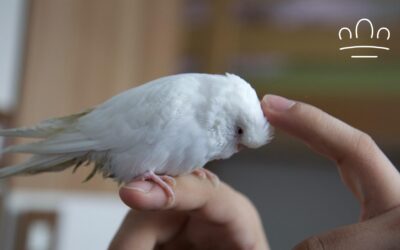
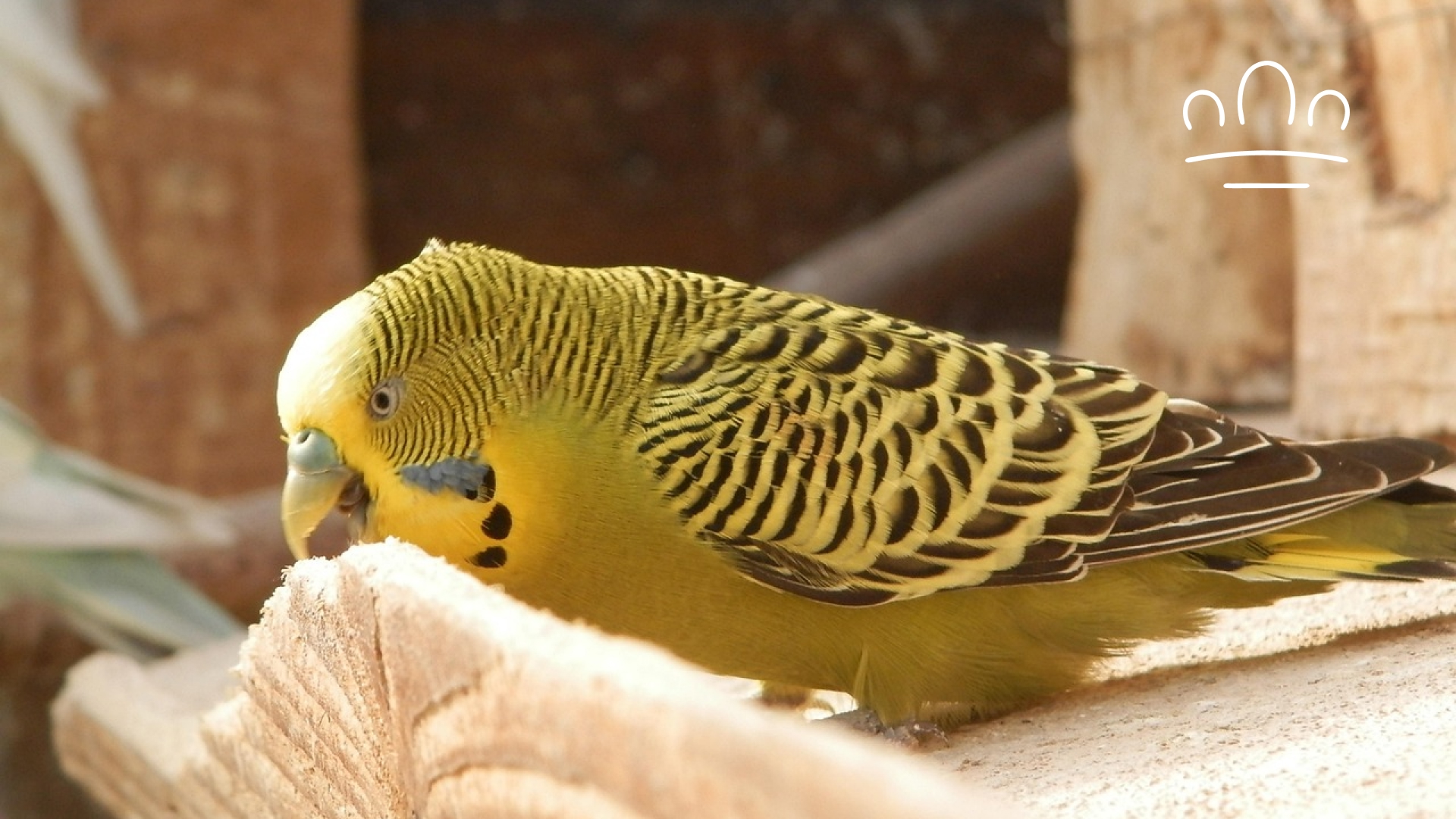
You leave the room for a minute, and suddenly your budgie starts chirping like they have an urgent message for you. Maybe it happens when you go to the kitchen, close the door, or simply step out of sight.
In many cases, this is normal budgie behavior. Your bird may be calling for contact, reacting to a change in routine, asking for attention, or simply checking where their favorite human went.
Budgies are social birds, and sound is one of the main ways they stay connected to the world around them. The RSPCA pet bird care guidance highlights that pet birds need the right environment, companionship, suitable housing and opportunities to express normal behavior.
Why Does My Budgie Chirp When I Leave the Room?
Your budgie may chirp when you leave the room because they notice the social change. One moment you are there, moving, talking, typing or simply being part of the room. The next moment, you disappear. For a social bird, that can be worth commenting on.
This chirping may be a contact call, a request for company, a reaction to silence, or a learned habit. Some budgies call briefly and then settle. Others may keep chirping because they have learned that calling brings their person back.
“A budgie that chirps when you leave the room is often responding to a social change, not necessarily showing distress. What matters is the full picture: appetite, posture, energy level, droppings and whether the behavior is new, extreme or accompanied by other signs,” says a veterinary consultant for Pet-Scope.
The most common reasons include social connection, attention, routine, boredom, curiosity and sometimes anxiety. The good news is that many of these reasons are normal and can be managed with a calmer daily rhythm.
Is It Normal for a Budgie to Chirp When You Leave?
Yes, it can be completely normal for a budgie to chirp when you leave the room. Budgies are naturally vocal, social and responsive to movement around them. A short burst of chirping when you leave may simply mean, “Where did you go?” or “I noticed that change.”
This is especially common if your budgie is used to your presence. If you talk to them often, spend time near the cage, or keep them in a room where people are active, they may become very aware of your movements.
It is more concerning if the chirping becomes frantic, constant, suddenly different, or appears together with other signs such as fluffed feathers, low energy, reduced appetite, abnormal breathing, changes in droppings or sitting at the bottom of the cage. VCA Hospitals lists changes in vocalization, fluffed feathers and reduced appetite among possible signs of illness in pet birds, so these changes should not be ignored.
Your Budgie May Be Calling for You
One of the simplest explanations is that your budgie is calling for you. Many birds use vocal sounds to stay connected with companions. If you leave the room, your budgie may chirp to check where you are or to invite you back.
This does not always mean panic. A budgie may call in a bright, casual way because they are used to communication. They may chirp when they hear your footsteps, when the room becomes quiet, or when they see you move toward the door.
If your budgie calls briefly and then goes back to eating, playing, preening or resting, it is usually less worrying. If they call intensely for a long time and seem unable to settle, it may be worth looking at their routine, enrichment and how much social time they get during the day.
Your Budgie May Want Attention or Company
Budgies can learn patterns very quickly. If your budgie chirps when you leave and you immediately come back every time, they may learn that chirping works. From their point of view, this is not manipulation in a dramatic human sense. It is simply cause and effect.
Your budgie may also chirp because your presence is interesting. You bring movement, sound, voice, routine and interaction. When you leave, the room may suddenly feel less active.
This is why it helps to think about the whole day, not only the moment you leave. A budgie that has enough interaction, toys, safe activity and predictable routines may find it easier to settle when you step away.
Your Budgie May Be Reacting to a Change in Routine
Sometimes the chirping is not only about you leaving. It may be about the change that happens when you leave. The room becomes quieter. The light changes. The door closes. The usual sounds stop. Your budgie may be responding to that sudden difference.
Budgies often pay attention to repeated patterns. If you usually leave at a certain time, return with food, turn on the TV, start working, or talk to them from across the room, they may build expectations around those moments.
If the routine changes, your budgie may chirp more. This can happen when your schedule changes, when the cage is moved, when the room becomes quieter than usual, or when the bird is getting less interaction than before.
Your Budgie May Be Bored or Understimulated
A budgie that chirps when you leave may also be asking for stimulation. If the cage environment is too plain, the bird spends long hours alone, or the day has very little variation, your departure may become the most interesting event.
This does not mean your budgie needs constant entertainment. Birds also need rest and calm. But they do benefit from appropriate enrichment, safe toys, social time and a routine that gives them something to do besides waiting for you to return.
Simple enrichment can include safe bird toys, opportunities to forage, gentle interaction, regular cage cleaning, varied but appropriate perches, and a cage location where your budgie can feel involved without being overwhelmed. RSPCA Australia’s bird housing guidance recommends an interesting environment with varied perches, objects to interact with and other forms of environmental enrichment.
Your Budgie May Be More Attached to You Than You Realize
Some budgies become strongly attached to one person. They may recognize your voice, your footsteps, your daily habits and even the small sounds you make before leaving the room.
If your budgie chirps only when you leave, but not when other people leave, that may be a sign they see you as their main social connection. This can be sweet, but it also means the bird may need a little help learning that short separations are safe and normal.
The goal is not to make your budgie stop caring. The goal is to help them feel secure enough to call less intensely and settle more easily when you are not in sight.
What Can You Do If Your Budgie Chirps Every Time You Leave?
If your budgie chirps every time you leave the room, start with small, calm changes. You do not need to punish the chirping or make a big drama out of leaving. In fact, big reactions can sometimes make the behavior stronger.
Try these simple ideas:
- Keep departures calm: leave the room without turning it into a big event.
- Use a short phrase: a simple “I’ll be back” can become a predictable cue.
- Return calmly: avoid rushing back in with too much excitement every time your budgie calls.
- Offer enrichment: safe toys, foraging options and appropriate perches can help keep your budgie engaged.
- Create a routine: regular interaction, feeding and quiet time can reduce uncertainty.
- Reward settled behavior: give attention when your budgie is calm, not only when they are calling loudly.
If your budgie is very attached to you, you can also practice very short absences. Step away for a few seconds, return calmly, and gradually build up. The idea is to show your bird that you leaving the room does not mean anything scary or permanent.
What Not to Do When Your Budgie Calls for You
It can be frustrating if your budgie chirps loudly every time you leave, especially if you are trying to work, sleep or take a short break. But harsh reactions usually do not help.
Try to avoid:
- Yelling at your budgie: loud reactions may increase stress or accidentally become attention.
- Hitting or shaking the cage: this can frighten your bird and damage trust.
- Covering the cage as punishment: cage covers should not be used as a quick punishment for normal vocal behavior.
- Ignoring sudden health changes: if the chirping is new and comes with other symptoms, look at the bigger picture.
- Removing all sound and stimulation: a completely dull environment can make social calling worse.
Your budgie is not trying to be difficult. They are communicating in the way they know. The best response is calm, consistent and focused on helping the bird feel secure.
When Should You Worry About Budgie Chirping?
You should pay closer attention if your budgie’s chirping changes suddenly, becomes unusually frantic, or appears with other signs of illness or distress. Birds can hide illness, and VCA Hospitals explains that pet birds may show subtle signs of illness, so changes in behavior should not be ignored.
Contact a veterinarian, ideally one experienced with birds, if you notice signs such as:
- reduced appetite or difficulty eating
- sitting fluffed up for long periods
- low energy or unusual sleepiness
- sitting at the bottom of the cage
- open-mouth breathing, tail bobbing or labored breathing
- discharge around the eyes or nostrils
- changes in droppings
- sudden aggression, fearfulness or major personality changes
The Merck Veterinary Manual notes that bird owners may notice illness through changes in droppings, vocalizations or increased sleeping. A budgie that chirps when you leave but otherwise eats, moves, preens, rests and behaves normally is often showing social behavior. A budgie that chirps differently and also looks unwell needs a more careful health check.
What Your Budgie’s Zodiac Sign Might Say About This Chirping
From a Pet-Scope point of view, your budgie’s zodiac sign can add a playful personality layer to the behavior. It does not replace real bird care, but it can be a fun way to describe the style of the chirping.
Fire-sign budgies — Aries, Leo and Sagittarius — may turn your exit into a dramatic little announcement. Their chirping may feel bold, loud or full of “excuse me, where are you going?” energy.
Earth-sign budgies — Taurus, Virgo and Capricorn — may react because the routine has changed. They may prefer predictable patterns and feel more settled when your comings and goings feel familiar.
Air-sign budgies — Gemini, Libra and Aquarius — may chirp because communication is part of their personality. These birds may be especially responsive to sounds, voices, movement and social signals.
Water-sign budgies — Cancer, Scorpio and Pisces — may chirp from emotional attachment. They may be sensitive to your presence and feel most secure when the social atmosphere feels calm and connected.
Want a reading for your budgie?
Choose “Other pet” in the Pet-Scope Pet Horoscope Generator, enter “budgie,” add a few personality notes, and create a playful zodiac-style reading for your little companion.
The Pet-Scope Take
If your budgie chirps when you leave the room, they are probably noticing your absence and trying to stay connected. In many cases, this is normal, social and even a little sweet.
The important thing is to look at the whole bird, not only the sound. If your budgie is active, eating, preening, resting normally and settling after you leave, the chirping is likely part of their personality and routine. If the chirping is extreme, sudden or paired with signs of illness, it is time to speak with a qualified veterinarian.
For many budgies, the best answer is not silence. It is security: a calm routine, enough enrichment, gentle interaction and a home where short separations feel normal.
Disclaimer
This article is for general informational and entertainment purposes only. It is not veterinary, medical, nutritional or behavioral advice. Budgies and other pet birds can become unwell quickly and may hide signs of illness. If you are concerned about your bird’s health, breathing, appetite, droppings, posture, energy level or behavior, contact a licensed veterinarian or avian veterinarian.