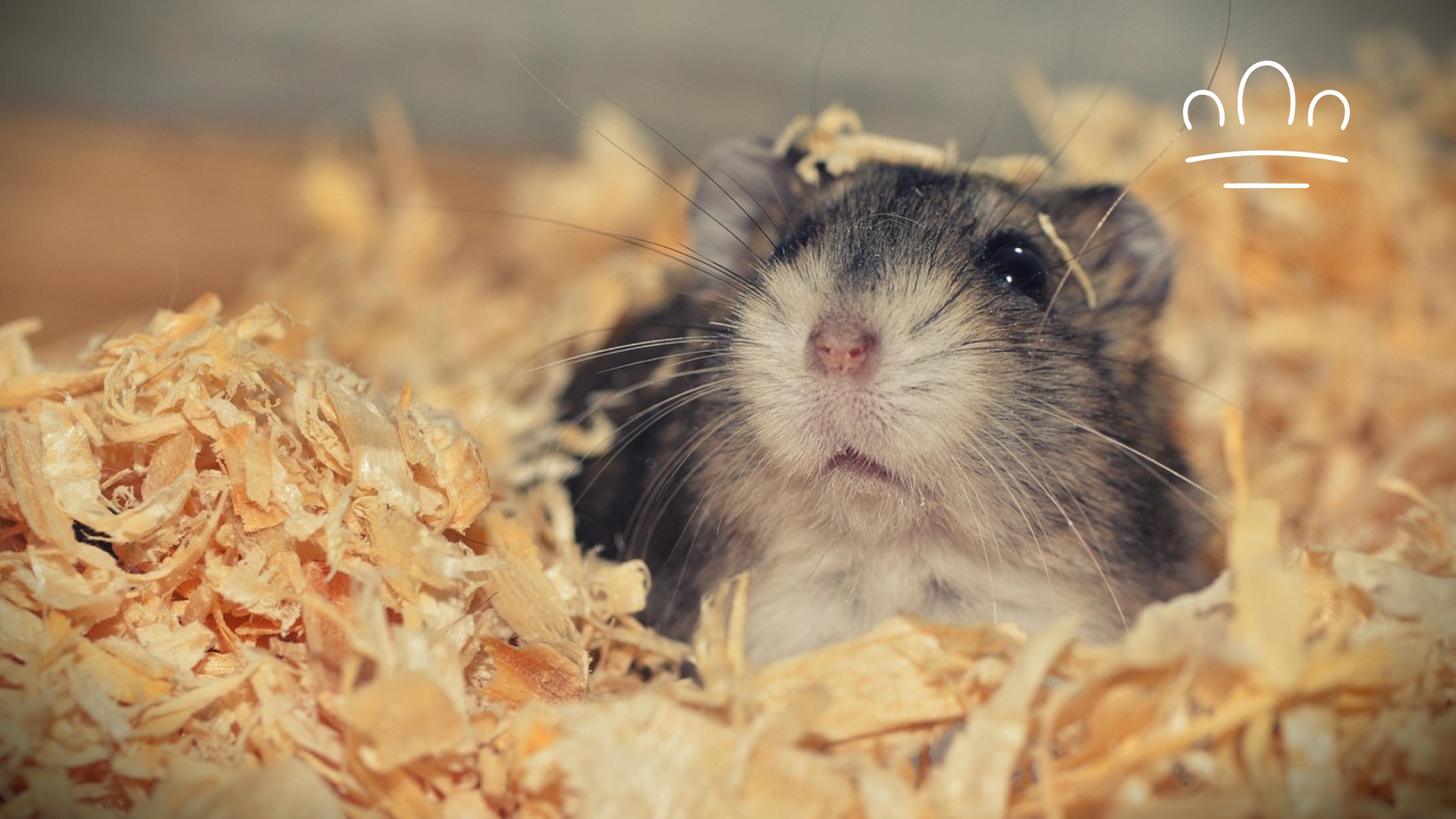
You enter the room, and your hamster suddenly stops moving.
One second they are exploring, digging or running on the wheel. The next, they stand completely still with their ears raised and eyes fixed in your direction.
So, why does your hamster freeze when you enter the room?
In many cases, your hamster is simply pausing to assess a new sound, movement, scent or shadow. Hamsters are small prey animals, so remaining still for a moment can help them decide whether something nearby is safe.
Why Does My Hamster Freeze When I Enter the Room?
Your hamster may freeze when you enter because your arrival creates several sudden changes at once.
The door moves. The floor vibrates. Light enters the room. Your footsteps make noise, and your scent becomes stronger as you approach the enclosure.
A hamster cannot immediately know whether the change is harmless. Standing still gives them a moment to listen, smell and watch before choosing what to do next.
The RSPCA explains that hamsters are prey animals that can be nervous around unfamiliar sights, sounds and smells. When frightened, they naturally seek the safety of a burrow or hiding place.
“A hamster that freezes briefly after someone enters the room is often assessing a sudden change in the environment. Owners should consider the time of day, the hamster’s body posture and whether the animal resumes normal activity once the situation feels safe,” says a veterinary consultant for Pet-Scope.
A short pause followed by normal exploration is usually very different from prolonged immobility accompanied by weakness, breathing difficulty or loss of appetite.
Is It Normal for a Hamster to Freeze Suddenly?
Yes. Brief freezing can be normal hamster behavior, especially after an unexpected sound or movement.
A cautious hamster may remain still for several seconds while deciding whether to continue exploring, run toward a shelter or approach you.
The behavior is usually less concerning when your hamster:
- freezes only briefly
- keeps the head raised and appears alert
- moves the ears toward nearby sounds
- resumes walking, digging or grooming afterward
- continues eating and drinking normally
- remains active during their usual waking hours
- does not show signs of pain or breathing difficulty
Some hamsters are naturally more cautious than others. A confident hamster may pause for only a second, while a newly adopted or less socialized hamster may remain still for longer.
Your Hamster May Be Assessing a Possible Threat
Freezing can help a hamster gather information without drawing attention to itself.
From your perspective, entering the room is an ordinary event. From your hamster’s perspective, a much larger animal has suddenly appeared near their home.
Your hamster may listen for:
- the direction of your footsteps
- another pet moving nearby
- the sound of the enclosure opening
- voices or household activity
- objects being placed near the cage
They may also lift their nose and sniff the air. Hamsters rely heavily on smell and hearing, so remaining still does not mean they have stopped paying attention.
In fact, the hamster may be processing more information during that quiet moment than you realize.
Sudden Movement Can Make a Hamster Freeze
Fast movement is one of the easiest ways to startle a small animal.
If you enter quickly, switch on a bright light or reach toward the enclosure without warning, your hamster may freeze before deciding whether to hide.
Movement from above can be particularly alarming. In nature, danger can approach prey animals from the air, so a hand descending suddenly into the enclosure may feel threatening even when your intentions are friendly.
Try approaching more slowly. Speak before opening the cage and allow your hamster to see or smell your hand before you attempt to touch them.
A calm arrival gives your hamster time to recognize you instead of reacting only to the speed and size of the movement.
Your Hamster May Have Heard You Before Seeing You
Hamsters have sensitive hearing and may react to sounds that seem quiet to humans.
The hamster may freeze after hearing:
- the door handle moving
- keys in your hand
- footsteps through the floor
- clothing brushing against furniture
- a chair moving
- a nearby television or computer
- another pet outside the room
Some household devices can also produce high-frequency sounds that people do not notice.
The RSPCA advises keeping hamster housing away from possible sources of ultrasound, including televisions, computer screens, vacuum cleaners and running water. Hamsters can detect high-frequency sounds that humans may not hear, and these noises may cause stress.
If your hamster regularly freezes in one room but behaves confidently elsewhere, look at the equipment and background sounds near the enclosure.
Your Scent May Be New or Unfamiliar
Smell is another important part of hamster communication and environmental awareness.
Your hamster may recognize your usual scent but pause when something about it changes. Perhaps you have handled another animal, used a new hand cream, cooked a strongly scented meal or cleaned with a different product.
Before interacting with your hamster, wash your hands with a mild, unscented soap. This is especially important after touching food or another pet.
Strong food smells on your fingers can also cause confusion. A hamster may mistake a finger for something edible and nip while investigating.
Let your hamster approach and sniff your hand in their own time. Avoid pushing your fingers directly toward their face.
Your Hamster May Have Been Woken Up
Timing matters.
Hamsters are usually most active during the evening and night. During the day, they need long periods of uninterrupted sleep.
If you enter the room and disturb a sleeping hamster, they may emerge slowly, remain still or appear confused while waking up. A startled hamster may also hide or bite defensively.
The RSPCA recommends allowing hamsters to sleep undisturbed during the day and avoiding handling them while they are resting. Interaction should respect the hamster’s natural waking pattern.
Wait until your hamster wakes naturally before cleaning, handling or introducing new activities whenever possible.
Why Does My Hamster Freeze and Stare at Me?
A hamster that freezes and stares may be trying to identify you.
Although it can look dramatic, the behavior may simply mean:
I noticed something. I am deciding whether it is safe.
Your hamster may watch for movement while listening and smelling the air. If they recognize the situation, they may begin moving again, approach the enclosure wall or continue with their previous activity.
A hamster that remains alert but calm is different from one that appears physically unable to move.
Normal alert freezing may include:
- ears moving toward sounds
- the nose twitching
- a raised or upright posture
- small head movements
- normal breathing
- movement resuming after a short pause
Record the behavior if you are uncertain. A short video can help a veterinarian understand whether the hamster is alert, frightened, weak or showing another type of episode.
Why Does My New Hamster Freeze When They See Me?
A newly adopted hamster has not yet learned which household events are safe.
Everything may be unfamiliar:
- your appearance
- your voice
- the sound of the door
- the room’s lighting
- the smell of the home
- feeding and cleaning routines
During the first days, give your hamster time to explore the enclosure and establish a nest. Avoid immediately trying to pick them up or repeatedly moving their hides and bedding.
Begin by sitting near the enclosure and speaking quietly. Later, place your hand inside without chasing or touching the hamster. Let them choose whether to investigate.
Trust develops through predictable experiences. One long handling session cannot replace several short, calm interactions.
Does Freezing Mean My Hamster Is Scared of Me?
It can mean your hamster is cautious, but it does not necessarily mean they will always be afraid of you.
Your hamster may simply be startled by how you entered the room. Even a familiar owner can cause a freeze response by moving quickly or appearing unexpectedly.
Consider what happens next.
A hamster that soon approaches, takes food or resumes exploring may have experienced only a brief moment of uncertainty. A hamster that repeatedly runs away, flattens the body, hides for long periods or reacts defensively may need a slower trust-building process.
Avoid measuring trust only by whether your hamster allows handling. Some hamsters become comfortable taking food and exploring near a person while remaining less interested in being picked up.
The goal should be safe, low-stress interaction rather than forcing every hamster to become highly cuddly.
How Can You Enter the Room Without Startling Your Hamster?
Small changes in your own behavior can make your arrival more predictable.
Try the following:
- Speak before approaching: use a calm phrase or the hamster’s name as you enter.
- Move gradually: avoid rushing directly toward the enclosure.
- Use softer lighting: do not switch from darkness to intense light without warning.
- Approach from the side: avoid placing your hand directly above the hamster.
- Let them smell you: hold a clean hand still and allow the hamster to investigate.
- Interact during waking hours: wait until the hamster is naturally active.
- Keep routines predictable: feed, clean and interact at reasonably consistent times.
Your hamster may still pause when you enter. The aim is not to eliminate every cautious reaction. Instead, you are helping the animal recover and recognize the situation more quickly.
How Do You Build Trust With a Hamster That Freezes?
Trust-building works best when the hamster controls the pace.
Start with your presence rather than immediate handling. Sit near the enclosure and speak gently while the hamster explores.
Once they appear comfortable, you can offer a small piece of their normal food from your fingertips. Later, place the food on an open palm and allow the hamster to step onto the hand voluntarily.
Helpful principles include:
- keep early sessions short
- interact when the hamster is fully awake
- avoid chasing them around the enclosure
- do not remove them forcibly from a hide
- hold them close to a stable surface
- end the interaction before they become overwhelmed
- repeat the same calm routine regularly
Progress may look small at first. Remaining active while you sit nearby can already be a sign that the hamster is becoming more comfortable.
Your Hamster Needs Somewhere Safe to Hide
A suitable hiding place can reduce fear because the hamster knows they have an escape option.
Removing every shelter does not make a nervous hamster more social. It makes them feel exposed.
A secure setup should include:
- deep, appropriate bedding
- at least one dark sleeping area
- tunnels or covered routes
- a suitable nesting box
- enough space to explore away from the nest
- a solid exercise wheel of the correct size
- safe chewing and foraging opportunities
Place the enclosure in a quiet area where your hamster can sleep during the day. At the same time, avoid isolating them in a place where every rare human appearance becomes a surprising event.
Can a Boring Environment Make a Hamster More Nervous?
An enclosure without enough space, hiding places or activity can limit normal hamster behavior.
A hamster that spends much of the day exposed may become more reactive to every movement around the cage. On the other hand, a hamster with burrows and shelters can decide when to observe and when to retreat.
Appropriate enrichment can include:
- deep bedding for constructing tunnels
- cardboard tubes
- safe wooden items for chewing
- scattered food that encourages foraging
- a solid, appropriately sized wheel
- a suitable sand bath
- changes in layout that do not destroy the nest too frequently
A richer environment will not necessarily stop every freeze response. However, it gives your hamster more natural ways to explore, hide and regain confidence.
What Should You Avoid When Your Hamster Freezes?
When a hamster becomes still, your first reaction may be to reach in and check them. Unless there are signs of a medical emergency, that can make the situation more frightening.
Avoid:
- Poking the hamster: give them a moment to assess the situation.
- Grabbing from above: sudden overhead handling can feel threatening.
- Blowing toward their face: this is startling and unnecessary.
- Making louder noises: clapping or tapping the enclosure can increase fear.
- Pulling them from a hide: shelters should remain safe places.
- Waking them for interaction: wait until the hamster becomes active naturally.
- Chasing them with your hand: this teaches the hamster that hands predict pursuit.
- Punishing a defensive bite: biting may occur because the hamster feels trapped or startled.
Pause, speak quietly and let the hamster choose the next movement.
Is My Hamster Freezing or Just Listening?
Hamsters often become still while focusing on a sound.
You may notice the ears turning independently or the nose moving as the hamster samples the air. Their body remains motionless because movement would make it harder to concentrate on the source.
This behavior can happen after:
- a sound in another room
- someone approaching the door
- another pet walking nearby
- a new appliance switching on
- a sound outside the home
If your hamster resumes normal activity once the sound stops, they were likely gathering information rather than experiencing a medical problem.
Is My Hamster Freezing or Going Into Torpor?
A brief alert pause is not the same as torpor.
A hamster that freezes in response to your arrival is usually awake, upright and responsive. A hamster in torpor may appear deeply asleep, cold, limp or barely responsive, with very slow breathing.
Torpor can occur when a domestic hamster becomes too cold or does not have enough food. It can be dangerous.
If your hamster feels cold, does not respond normally or appears almost lifeless, do not assume they are simply freezing from fear. Contact a veterinarian promptly for instructions.
Is My Hamster Freezing or Having a Seizure?
Standing still and remaining alert is not usually a seizure.
However, unusual episodes involving collapse, loss of balance, uncontrolled movements, rigid limbs, repeated jerking or apparent loss of awareness require veterinary assessment.
Do not attempt to restrain the hamster tightly during an episode. Remove nearby hazards if you can do so safely, reduce noise and record the event.
Contact a veterinarian and provide information about:
- how long the episode lasted
- what the hamster was doing beforehand
- whether they remained responsive
- any limb, head or body movements
- how they behaved afterward
- any possible exposure to toxins or injury
A video can be extremely useful because the episode may have ended before the veterinary appointment.
When Should a Hamster Freezing Concern You?
Occasional alert freezing is often normal. Concern increases when your hamster remains unusually still or shows other changes.
Contact a veterinarian experienced with small mammals if you notice:
- loss of appetite
- weight loss
- little or no interest in exploring
- a hunched posture
- weakness or difficulty walking
- labored or noisy breathing
- discharge from the eyes or nose
- diarrhea or a wet, soiled rear area
- a rough or thinning coat
- frequent falling or loss of balance
- prolonged unresponsiveness
- a sudden major change in normal behavior
The same guidance notes that a sick hamster may stop exploring and playing as they normally would.
Hamsters can hide signs of illness. Therefore, a change from your individual pet’s usual activity may be more meaningful than one isolated behavior.
What Your Hamster’s Zodiac Sign Might Say About Freezing
From a Pet-Scope point of view, your hamster’s zodiac sign can add a playful personality layer to the cautious pause. Astrology cannot diagnose fear or illness, but it can describe how your tiny observer reacts to an unexpected entrance.
Fire-sign hamsters — Aries, Leo and Sagittarius — may freeze for one dramatic second before deciding that curiosity is more important than caution. They could quickly return to climbing, exploring or demanding attention.
Earth-sign hamsters — Taurus, Virgo and Capricorn — may pause because you interrupted a carefully organized routine. Once they recognize the familiar footsteps and feeding schedule, normal business can continue.
Air-sign hamsters — Gemini, Libra and Aquarius — may freeze to process every sound and movement. Their ears, nose and attention remain busy even while the rest of the body appears completely still.
Water-sign hamsters — Cancer, Scorpio and Pisces — may need a little more time to decide whether the atmosphere feels safe. A quiet voice and predictable approach can help them regain confidence.
Explore more playful small-pet personalities in our Hamster Zodiac Signs guide and the wider Small Pet Zodiac Signs guide.
Want a reading for your hamster?
Choose “Other pet” in the Pet-Scope Pet Horoscope Generator, enter “hamster,” add a few personality notes, and create a playful zodiac-style reading for your tiny companion.
Quick Questions About Hamsters Freezing
Why does my hamster freeze and stand on two legs?
Your hamster may be listening, smelling the air and trying to see more clearly. Standing upright gives them a better position for assessing a new sound or movement.
Why does my hamster freeze when I talk?
Your voice may have started suddenly or sounded unfamiliar. Speak quietly and consistently so your hamster learns to associate the sound with a safe, predictable interaction.
Why does my hamster freeze when I turn on the light?
A sudden change from darkness to bright light can be startling. Hamsters are normally active in lower light, so use gradual lighting and avoid shining a strong light directly into the enclosure.
Why does my hamster freeze when I put my hand in the cage?
The hand may feel large and unpredictable, particularly when it enters from above. Hold it still, allow the hamster to investigate and avoid immediately trying to pick them up.
Why does my hamster freeze and then run away?
The hamster may first pause to locate the possible threat and then choose a hiding place. Give them time to settle and review whether your movement, sound or scent was unusually sudden.
Why does my hamster freeze while eating?
A sound, shadow or vibration may interrupt the meal. If your hamster quickly resumes eating, the pause may be normal. Repeated difficulty eating, food falling from the mouth or reduced appetite requires veterinary advice.
How long is it normal for a hamster to freeze?
There is no exact safe number of seconds because context matters. A brief alert pause followed by normal activity is generally less concerning than prolonged stillness, weakness or failure to respond.
Does my hamster hate me if they freeze when I enter?
No. The behavior usually reflects caution rather than a permanent opinion about you. Slow movements, regular routines and voluntary interaction can help build trust over time.
The Pet-Scope Take
If your hamster freezes when you enter the room, they are probably not judging your arrival.
They are listening, smelling and deciding whether the large moving figure beside the enclosure is familiar, safe and possibly carrying food.
A brief pause followed by normal exploring is often part of being a cautious prey animal. Approach slowly, respect daytime sleep and let your hamster investigate you at their own pace.
Pay closer attention when the stillness lasts, the hamster appears weak or their appetite, breathing, movement or normal nighttime activity changes.
Your hamster may look completely motionless.
Behind that tiny stare, however, a full security assessment is probably taking place.
Disclaimer
This article is for general informational and entertainment purposes only. It is not a substitute for professional veterinary advice, diagnosis or behavioral assessment. If your hamster becomes unusually inactive, stops eating, loses weight, has difficulty breathing or walking, develops diarrhea or shows prolonged unresponsiveness, contact a licensed veterinarian experienced with small mammals promptly.