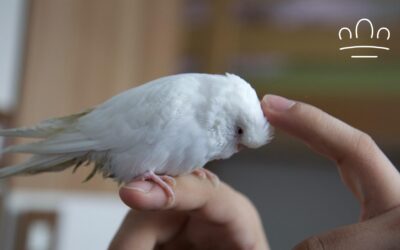
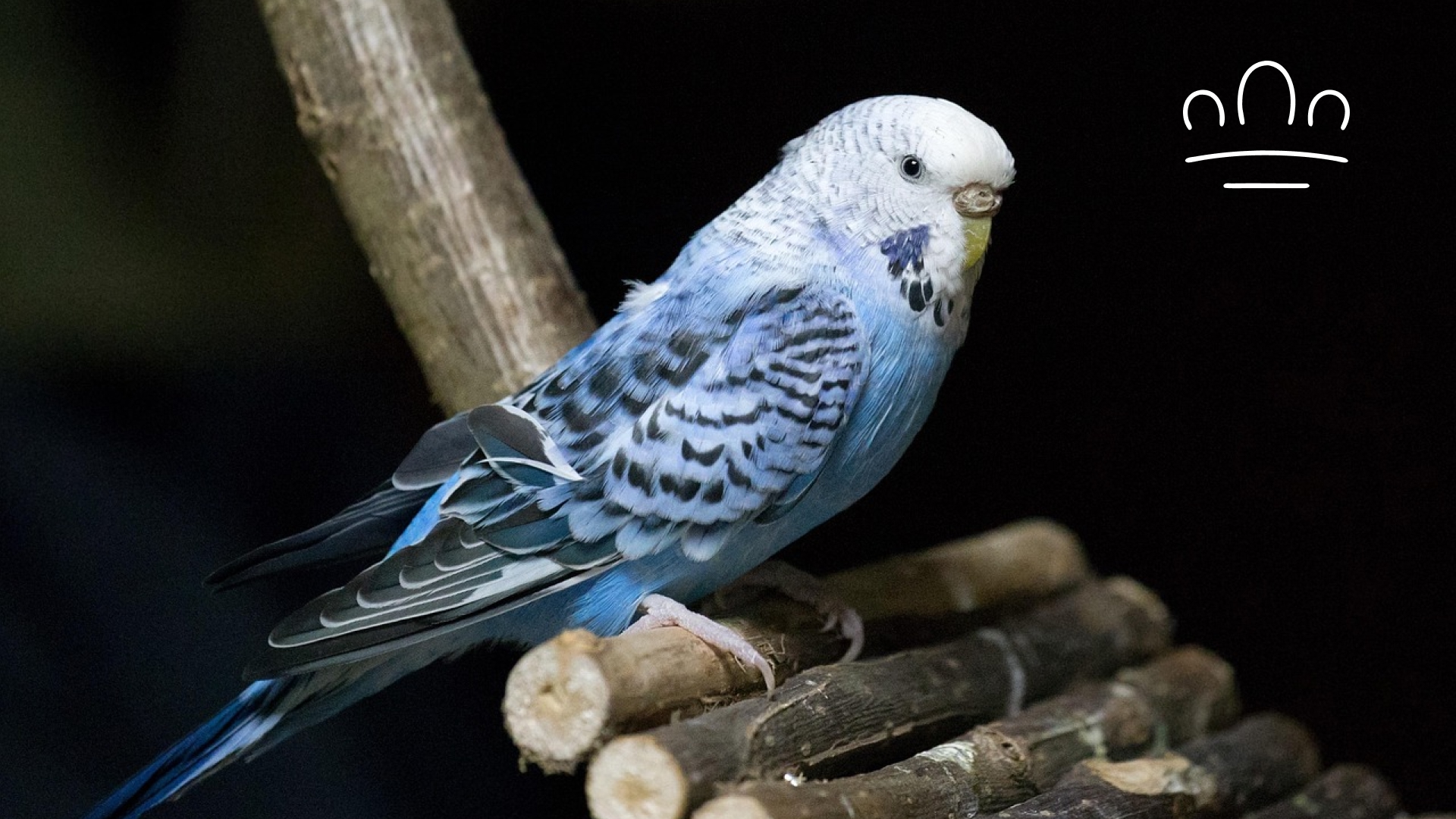
The room becomes quieter, your budgie settles onto a favorite perch, and then you hear a soft scraping or crackling sound.
It may seem as though your bird is chewing something, even though there is no food in their beak. The sound often continues for a few moments while your budgie looks sleepy, fluffs their feathers slightly or begins closing their eyes.
So, why does your budgie grind its beak before sleeping?
In most cases, beak grinding before sleep is normal budgie behavior. It commonly happens when a bird feels calm, comfortable and ready to rest. The movement may also contribute to normal beak maintenance, although the exact reason birds do it is not fully understood.
Why Does My Budgie Grind Its Beak Before Sleeping?
Your budgie probably grinds its beak before sleeping because they are entering a relaxed state.
Many budgies and other parrots move the upper and lower parts of the beak gently against each other as they settle down. Owners often hear it before bedtime, during a quiet afternoon nap or while the bird rests comfortably near someone they trust.
Lafeber’s guide to pet bird behavior explains that many healthy birds grind their beaks shortly before falling asleep. It describes the habit as normal, even though the precise reason behind it remains uncertain.
“Gentle beak grinding before sleep is usually a normal relaxation behavior in budgies. Owners should still consider the whole bird, including posture, appetite, breathing, droppings and whether the sound is familiar or has suddenly changed,” says a veterinary consultant for Pet-Scope.
A sleepy budgie making a soft grinding sound is usually very different from a bird producing harsh, repeated noises while struggling to breathe, eat or use the beak normally.
Is It Normal for a Budgie to Grind Its Beak at Night?
Yes. It is generally normal for a budgie to grind its beak at night, especially when the behavior appears during a calm bedtime routine.
Normal pre-sleep grinding often happens while the budgie:
- sits securely on a familiar perch
- appears calm and settled
- gently fluffs the feathers
- relaxes the body rather than standing rigidly
- partly closes or slowly blinks the eyes
- rests on one foot
- gradually becomes quieter
The sound may continue briefly and then stop as the bird falls asleep. Some budgies grind their beaks almost every evening, while others do it only occasionally.
Individual differences are normal. One budgie may have a very audible bedtime routine, while another makes such a quiet sound that the owner rarely notices it.
What Does Budgie Beak Grinding Sound Like?
Budgie beak grinding usually sounds softer than many owners expect.
People describe it as:
- a quiet scraping sound
- soft crackling
- gentle crunching
- tiny grains rubbing together
- a faint clicking mixed with scraping
The sound comes from the upper and lower beak moving against each other. It should not normally sound like gasping, wheezing or a repeated sharp snap.
Listen to the rhythm as well as the volume. Relaxed grinding is often slow and regular. Respiratory noise may appear with each breath, while discomfort-related sounds may occur when the bird tries to eat, move or open the mouth.
When possible, make a short video or audio recording if you are uncertain. A recording can help an avian veterinarian distinguish normal beak behavior from a breathing or oral problem.
Does Beak Grinding Mean My Budgie Is Happy?
Beak grinding is often associated with comfort and relaxation. However, one behavior alone cannot prove exactly how a bird feels.
A budgie that grinds its beak while resting with loose feathers, soft eyes and normal breathing is probably comfortable. The surrounding situation supports that interpretation.
Other relaxed behaviors may include:
- quiet feather preening
- gentle chirping before settling
- stretching one wing and leg
- resting on one foot
- slow blinking
- remaining calmly near a companion
Still, slightly fluffed feathers do not always mean happiness. A bird that remains heavily fluffed throughout the day, becomes unusually sleepy or stops interacting may be unwell.
The difference lies in timing and context. Brief fluffing during rest can be normal. Persistent fluffing combined with appetite, breathing or activity changes needs closer attention.
Why Does My Budgie Grind Its Beak When Relaxed?
Beak grinding often appears when stimulation decreases.
During the day, your budgie may be watching movement, responding to voices, eating, exploring or communicating. Once the environment becomes calmer, the bird begins a transition from activity to rest.
The grinding may become part of that transition, much like choosing a sleeping perch, rearranging feathers or placing one foot into the belly feathers.
You may notice it when your budgie:
- settles near you during a quiet evening
- rests after playing or flying
- prepares for an afternoon nap
- sits beside a compatible bird companion
- hears the usual bedtime sounds in the home
Repeated routines can make the behavior more predictable. Dimming lights, quieter voices and familiar household sounds may all signal that the active part of the day is ending.
Does Budgie Beak Grinding Help Maintain the Beak?
Beak grinding may contribute to normal wear, although relaxation appears to be the most noticeable context in which owners hear it.
A bird’s beak grows continuously and experiences natural wear through eating, climbing, chewing and rubbing against suitable surfaces.
VCA Animal Hospitals explains that birds may grind the upper and lower beak together, which can help wear down the lower beak. The same guidance notes that chewing activities and appropriate bird-safe objects support normal beak maintenance.
However, bedtime grinding should not be treated as the bird’s only form of beak care. Budgies also need:
- a balanced, species-appropriate diet
- safe toys made for chewing and shredding
- suitable natural or bird-safe perches
- regular opportunities for activity
- routine veterinary examinations
Do not provide sandpaper perch covers or abrasive surfaces as a home treatment for an overgrown beak. They can damage the feet and do not correct the medical or nutritional cause of abnormal beak growth.
Is Beak Grinding the Same as Wiping the Beak?
No. Beak grinding and beak wiping are different behaviors.
During grinding, the upper and lower parts of the beak move gently against each other. The bird usually remains in one place, often looking relaxed or sleepy.
During beak wiping, the budgie rubs one side of the beak and then the other against a perch or another suitable surface. This commonly happens after eating and helps remove food or debris.
VCA notes that birds often wipe and clean their beaks on objects such as perches after eating.
Both behaviors can be normal. Their movement, timing and purpose simply differ.
Is Beak Grinding the Same as Beak Clicking?
Not always.
The word “clicking” can describe several different sounds, so context is essential.
A relaxed budgie may produce tiny clicks as part of gentle beak grinding. In that case, the sound appears while the bird is calm and ready to rest.
More deliberate beak clicking may occur during excitement, communication, exploration or a warning. The bird’s posture can help clarify the meaning.
A budgie that stands tall, leans forward or repeatedly snaps the beak toward a hand may be asking for more space. A bird quietly settling with half-closed eyes is communicating something very different.
Do not put your fingers near the beak merely to test the reaction. Allow the bird to remain comfortable and observe from a respectful distance.
Is My Budgie Grinding Its Beak or Having Trouble Breathing?
This distinction is important because respiratory sounds require prompt attention.
Beak grinding comes from movement of the beak and usually stops when the bird changes activity. The budgie generally appears comfortable and breathes normally.
Possible respiratory warning signs include:
- open-mouth breathing
- the tail moving noticeably with each breath
- wheezing, squeaking or clicking linked to breathing
- rapid or labored breathing while resting
- discharge around the nostrils
- frequent sneezing with other symptoms
- reduced activity
- difficulty remaining on the perch
Contact an avian veterinarian promptly if the sound appears to follow each breath or your bird shows breathing difficulty. Do not wait for the problem to become more obvious.
Why Does My Budgie Grind Its Beak During the Day?
Daytime beak grinding can also be normal.
Your budgie may grind the beak before a nap, after preening or during a quiet period when the household becomes less active. Birds do not limit all rest to nighttime.
The MSD Veterinary Manual notes that pet birds need adequate sleep and may also take daytime naps.
Consider whether the behavior fits the moment. A relaxed bird grinding before a short nap is different from a bird that spends most of the day sleeping, appears weak or shows little interest in food and interaction.
Daytime grinding deserves attention when it appears alongside a major change in activity, posture or appetite.
Why Does My Budgie Grind Its Beak While Sitting on One Foot?
Many budgies rest on one foot when they feel stable and comfortable.
The other foot may be drawn into the feathers to conserve warmth and relax the leg. When combined with gentle beak grinding, soft eyes and a steady perch, the posture often suggests that the bird is settling down.
Check that the budgie uses both feet normally during the day. Contact a veterinarian if the bird consistently avoids placing weight on one foot, holds it at an unusual angle or shows swelling, wounds or difficulty gripping the perch.
A normal resting position should not be confused with an injury-related attempt to protect a painful leg.
Why Does My Budgie Grind Its Beak Near Me?
Your presence may be part of a familiar and safe routine.
A budgie that chooses to settle near you, preen or grind the beak may feel comfortable enough to rest. Still, avoid interpreting the behavior as proof that every nearby interaction is welcome.
Let the bird choose the distance. Some budgies enjoy resting near a person without wanting to be touched.
If your budgie also calls when you disappear, our guide to why budgies chirp when their owners leave the room explores how social contact and learned routines can shape vocal behavior.
You can also read why budgies start chirping when the TV is on for another example of how small environmental changes can trigger a noticeable response.
How Can You Create a Calm Bedtime Routine for Your Budgie?
A predictable evening routine can help your budgie settle without unnecessary disturbance.
Useful steps include:
- Keep bedtime reasonably consistent: sudden changes in light and activity can make settling more difficult.
- Reduce noise gradually: avoid loud music, shouting or television immediately beside the cage.
- Provide a secure sleeping perch: choose an appropriate size and position where the bird can grip comfortably.
- Avoid drafts and temperature extremes: do not place the cage beside open windows, heaters or air-conditioning vents.
- Allow uninterrupted rest: repeated movement, lights and handling can disturb sleep.
- Keep the environment familiar: avoid rearranging the entire cage just before bedtime.
- Check food and water earlier: complete routine care before the bird begins settling.
Some birds become frightened by sudden darkness, unfamiliar covers or moving shadows. Make changes gradually and ask an avian veterinarian for advice when you are uncertain about the most suitable sleep setup for your bird.
Should You Stop a Budgie From Grinding Its Beak?
No. Normal, gentle beak grinding does not need to be stopped.
Avoid interrupting the bird merely because the sound seems unusual. Waking, touching or moving a relaxed budgie can disturb an important period of rest.
Do not:
- tap the cage to make the bird stop
- open the beak to inspect it without veterinary guidance
- remove the sleeping perch as a punishment
- trim or file the beak at home
- apply oils, creams or household products to the beak
- assume every beak sound is a behavioral problem
Instead, observe the behavior and learn what is normal for your individual budgie.
When Can Beak Grinding Be a Reason to Call a Vet?
Beak grinding before sleep is usually harmless. However, any new or unusual sound should be considered alongside the rest of the bird’s behavior.
Contact an avian veterinarian if your budgie shows:
- difficulty eating or picking up food
- food repeatedly falling from the beak
- a cracked, bleeding or unusually shaped beak
- rapid or abnormal beak growth
- swelling around the beak, mouth or nostrils
- open-mouth breathing
- tail bobbing with each breath
- reduced appetite
- weight loss
- changes in droppings
- unusual daytime sleepiness
- weakness or difficulty perching
- a sudden reduction in normal chirping and interaction
Birds can hide illness, so a change from your budgie’s usual routine may be more important than how dramatic the symptom appears.
What If My Budgie Suddenly Stops Grinding Its Beak?
Not every budgie grinds its beak every evening. A temporary absence of the behavior is not automatically concerning.
Your bird may settle differently, sleep in another position or make the sound too quietly for you to hear.
Pay closer attention when the missing bedtime behavior appears with broader changes, such as:
- less interest in food
- reduced chirping
- avoiding normal social contact
- sleeping much more during the day
- remaining heavily fluffed
- changes in droppings
- breathing changes
Your knowledge of the bird’s normal pattern is valuable. A single quiet night may mean nothing, while several small changes together may justify a veterinary check.
What Your Budgie’s Zodiac Sign Might Say About Bedtime Grinding
From a Pet-Scope point of view, your budgie’s zodiac sign can add a playful personality layer to the bedtime ritual. Astrology cannot assess beak health or diagnose illness, but it can describe how your little companion settles for the night.
Fire-sign budgies — Aries, Leo and Sagittarius — may spend the evening chirping, climbing and demanding attention before suddenly switching into peaceful grinding mode as though the performance has officially ended.
Earth-sign budgies — Taurus, Virgo and Capricorn — may prefer a reliable bedtime routine. The same perch, familiar room and predictable lights help them settle into a calm grinding session.
Air-sign budgies — Gemini, Libra and Aquarius — may continue reacting to every voice and sound before finally becoming quiet. Their beak grinding can feel like the last comment in a very long conversation.
Water-sign budgies — Cancer, Scorpio and Pisces — may settle most easily when the atmosphere feels safe and familiar. They may grind softly while resting near a trusted person or compatible bird companion.
Budgies belong to the parrot family, so you can explore more playful personality ideas in our Parrot Zodiac Signs guide and browse the wider Small Pet Zodiac Signs guide.
Want a reading for your budgie?
Choose “Other pet” in the Pet-Scope Pet Horoscope Generator, enter “budgie,” add a few personality notes, and create a playful zodiac-style reading for your little companion.
Quick Questions About Budgie Beak Grinding
Why does my budgie grind its beak at night?
Your budgie is probably relaxed and preparing to sleep. Nighttime beak grinding is common when a bird feels comfortable, sits securely and shows no other signs of illness or distress.
Why does my budgie grind its beak while sleeping?
Some budgies continue gentle grinding as they drift into sleep. Check that the sound comes from beak movement rather than breathing and that your bird otherwise appears healthy.
Why does my budgie grind its beak when I talk to it?
Your voice may be part of a calm, familiar environment. A budgie that remains relaxed and begins settling may associate your quiet presence with comfort and rest.
Is budgie beak grinding a sign of affection?
It can occur when a budgie feels safe near someone, but it is primarily associated with relaxation. It should not be treated as a precise test of affection.
Do budgies grind their beaks when they are stressed?
Typical bedtime grinding is more often linked with relaxation. Still, stress can change many behaviors. Look for tense posture, panic, repeated escape attempts, appetite changes or other signs rather than judging the grinding alone.
Can beak grinding make a budgie’s beak too short?
Normal grinding should not make a healthy beak dangerously short. Abnormal shape, cracking, bleeding or rapid changes require examination by an avian veterinarian.
Why is my budgie making a clicking noise before sleep?
The clicking may be part of gentle beak grinding. Record the sound and contact a veterinarian if it follows each breath, appears with tail bobbing or occurs while the bird struggles to breathe.
Should I wake my budgie when it grinds its beak?
No. A relaxed bird preparing to sleep should generally be left undisturbed. Interrupt the routine only when you notice a safety problem or signs of illness.
The Pet-Scope Take
If your budgie grinds its beak before sleeping, the most likely explanation is simple: the day is ending, the perch feels secure and your bird is ready to rest.
The soft scraping may sound strange the first time you hear it. Once you recognize the relaxed posture that accompanies it, the noise often becomes one of the most reassuring parts of the bedtime routine.
Observe the whole bird. Gentle grinding with soft eyes, normal breathing and ordinary daytime behavior is usually harmless. Noisy breathing, difficulty eating, abnormal beak growth or a sudden change in energy deserves veterinary attention.
For a comfortable budgie, beak grinding may be the final item on the evening schedule:
Favorite perch selected. Feathers arranged. Humans finally quiet. Time for sleep.
Disclaimer
This article is for general informational and entertainment purposes only. It is not a substitute for professional veterinary advice, diagnosis or treatment. If your budgie has trouble breathing or eating, develops an abnormal beak, becomes unusually sleepy, stops eating or shows any sudden change in behavior, contact a licensed veterinarian experienced with birds promptly.